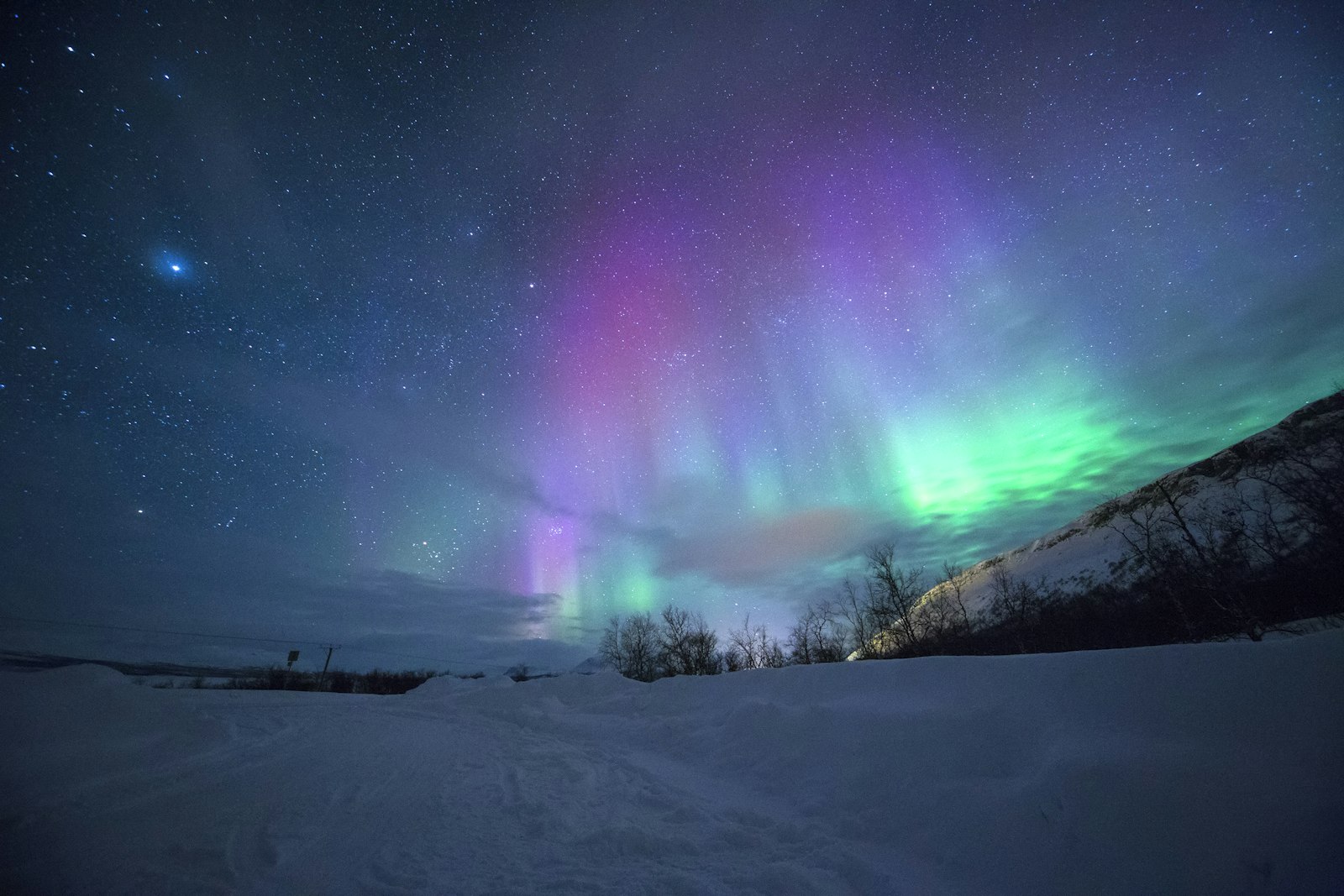
Léman does not keep a single face. It edits itself every twenty minutes — fog, glare, pewter calm — and the towns along its rim rearrange their mood accordingly.
Writers often treat Lake Geneva as a backdrop: a blue strip behind a castle, a glitter behind a promenade. Stand on a pier long enough and the hierarchy reverses. The water becomes the main character. Buildings, ferries, and even the Alps take supporting roles, answering whatever light the lake decides to cast.
This essay is a field guide to that decision — not a weather forecast, but a way of watching.
Fog mornings
Some mornings the far shore simply vanishes. White occupies the middle distance like a closed curtain. Swans remain; mountains do not. The lake becomes a room with only one wall — the quay under your feet.
These are excellent days for a journal. Without scenery performing, attention shifts to sound: water against hull, muffled voices, the soft thud of a ferry arriving from somewhere you cannot yet see. Trust replaces panorama. You board because maps insist the other side exists.
Blankness is not emptiness. On Léman, fog is a kind of honesty.
Hillside belvederes — the sort of lookouts that gather names like Petit Mirador — lose their postcard purpose in fog. What remains is atmosphere: damp stone, the smell of wet leaves, a sense that Switzerland has temporarily withdrawn its famous clarity.
Silver afternoons
By afternoon, especially along the Vevey–Montreux stretch, light often turns metallic. The surface becomes a sheet of moving silver. Mountains darken into silhouettes that look painted rather than photographed.
It is easy to confuse this hour with postcard Switzerland. Stay until the wind turns and something quieter appears: locals finishing errands, a dog shaking lake water onto warm stone, café chairs scraping as umbrellas tilt. Travel writing thrives on such ordinary minutes. They outlast brochure promises.
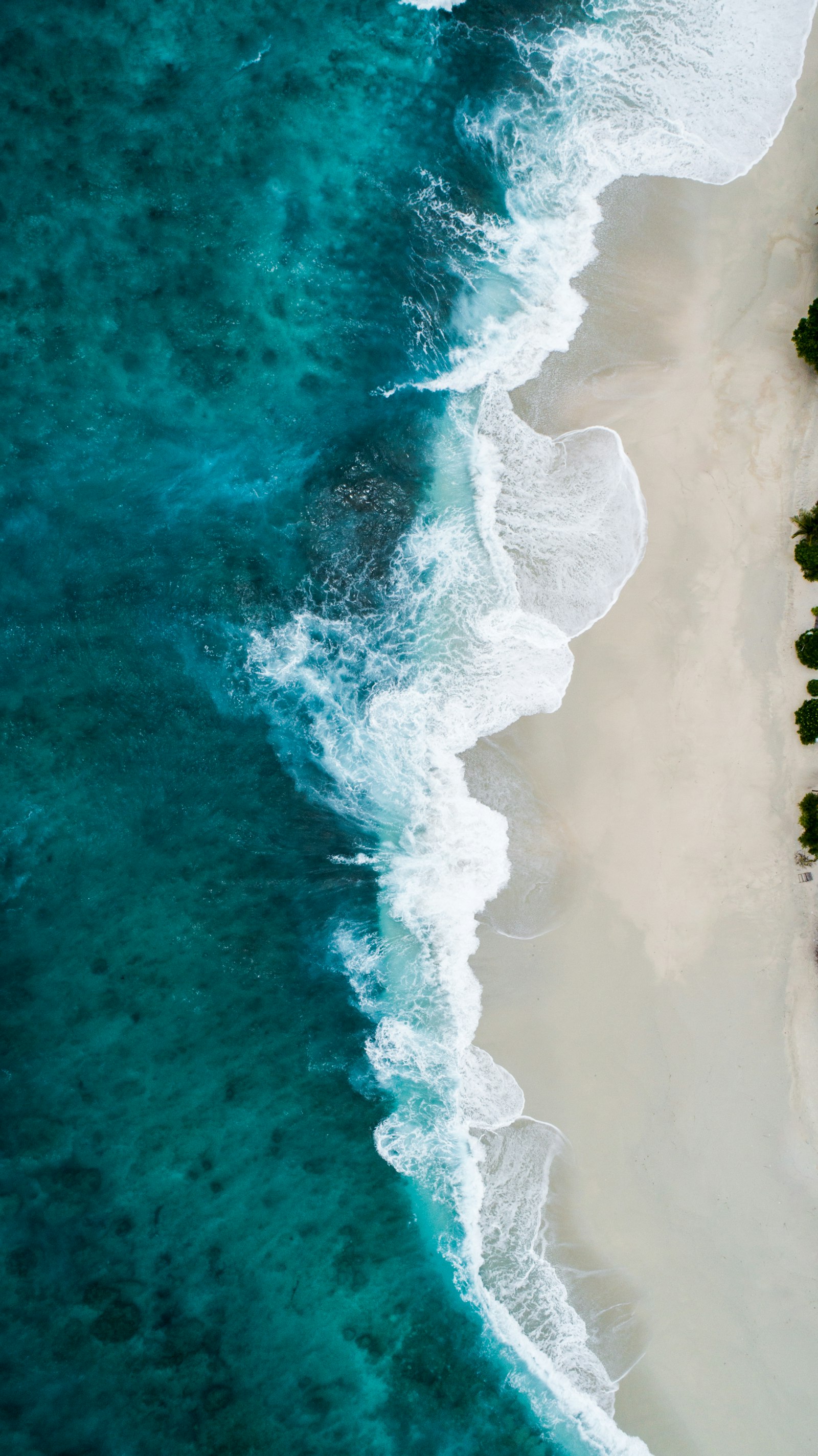
The silhouette hour
Dusk is the honest hour. Neon softens. The lake becomes a dark mirror. The Alps keep their outline like a signature that never fades. Palm trees along the Riviera argue with snowfields in the distance — a geographic joke that somehow works.
Photographers chase the last pink band above the peaks. Walkers notice something else: how temperatures drop in a single block, how ferry lights become punctuation, how conversations shorten as jackets zip. Light is not only visual; it is a schedule the body obeys.
How to watch without consuming
Reading light is a practice of duration. Give yourself one pier, one stretch of promenade, one hillside path. Return at a different hour. Compare. Léman rewards repetition more than checklist travel.
You do not need a private terrace to do this. Public shoreline is enough — and often better, because it includes other people’s rhythms. Horizon exists for that kind of looking: independent, unhurried, and uninterested in selling you a room with a view.
The view, after all, was never for sale. It was always weather.